Get Mold Air Testing
Mold air testing services help property owners identify airborne mold issues during renovation, remediation, or suspected contamination to ensure a safe indoor environment.
Mold air testing services provide property owners with valuable insights into indoor air quality, helping to identify potential mold issues that may not be immediately visible. Whether you're planning a renovation, dealing with persistent allergy symptoms, or simply want peace of mind about the environment inside your home or business, professional testing can be an important step. Local contractors experienced in mold air testing can assist in accurately assessing your space, ensuring that any concerns are addressed with reliable information.
For property owners in the area, exploring mold air testing options can be a practical part of maintaining a healthy and safe environment. Comparing local service providers allows for informed decisions based on expertise and reputation within the community. Keep reading to discover how qualified professionals can support your project and help you find the right solution for your needs.
- Mold Air Testing - When detecting potential mold presence in residential or commercial indoor air.
- Air Quality Assessment - If there are concerns about airborne mold spores affecting indoor air quality.
- Post-Remediation Verification - After mold removal to ensure the air is safe and mold levels are controlled.
- Leak or Water Damage Investigation - Following water intrusion incidents that may lead to mold growth behind walls or in hidden areas.
- Indoor Environment Evaluation - For property owners seeking to identify mold issues before occupancy or sale.
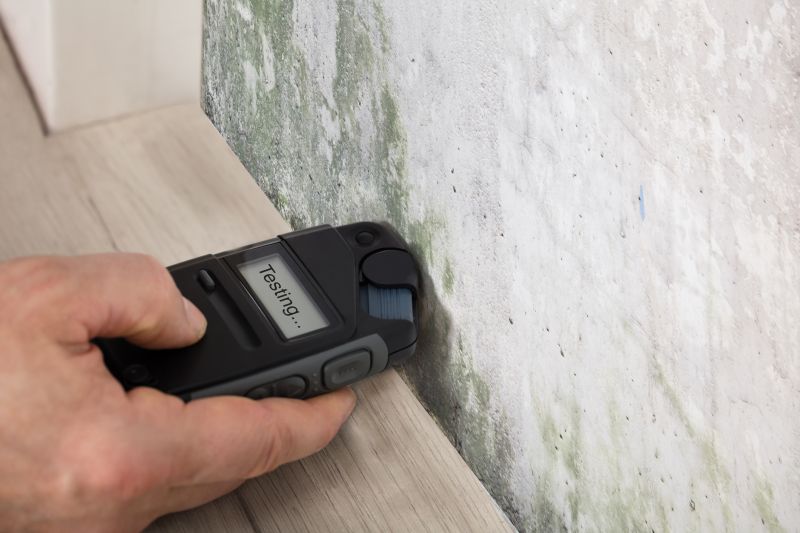
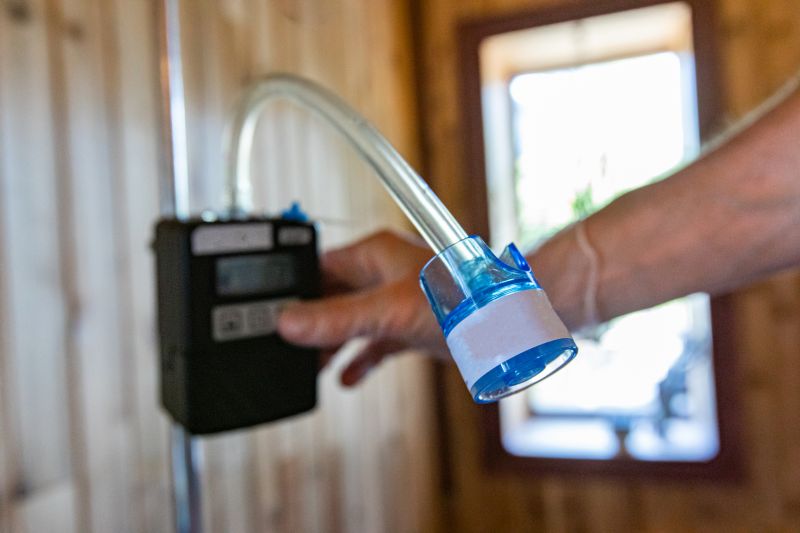
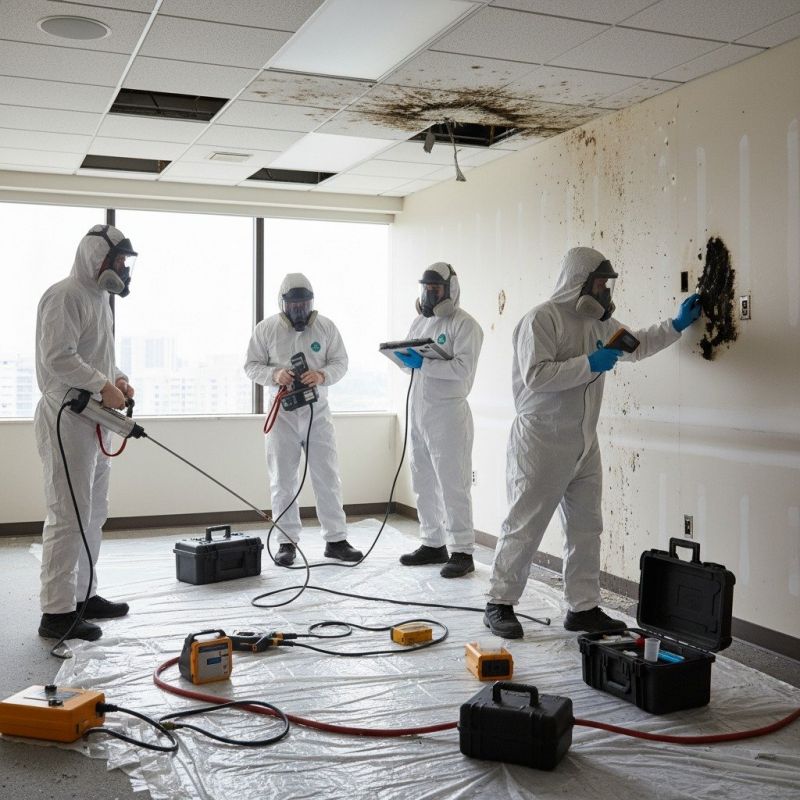
Mold air testing services involve collecting air samples from inside a property to detect the presence of mold spores. These tests help identify whether mold is growing in the environment and determine the levels of spores in the air. Professional contractors use specialized equipment to gather samples, which are then analyzed to provide an accurate picture of mold contamination. This process is essential for pinpointing hidden mold issues that may not be visible to the naked eye, offering homeowners clarity about potential indoor air quality concerns.
These services are particularly useful in resolving problems related to musty odors, unexplained allergy symptoms, or visible mold growth. Mold spores in the air can cause health issues, especially for individuals with allergies, asthma, or respiratory sensitivities. Mold air testing helps identify the source of indoor mold problems, guiding effective removal and remediation strategies. By detecting mold early, homeowners can prevent more significant issues, such as structural damage or long-term health effects, that can arise from unaddressed mold growth.
Mold air testing is commonly used in a variety of property types, including residential homes, apartments, and multi-family buildings. It is also relevant for commercial properties, such as offices, retail spaces, and rental units, where indoor air quality is a concern. Properties that have experienced water damage, leaks, or high humidity levels are often candidates for testing, as these conditions create ideal environments for mold growth. Homeowners and property managers seeking to maintain a safe and healthy indoor environment often turn to local service providers for this specialized testing.
Understanding when to consider mold air testing can help prevent ongoing health issues and property damage. Homeowners who notice persistent musty odors, unexplained allergy symptoms, or visible mold growth should consider professional testing services. Additionally, properties that have experienced water intrusion or have high humidity levels may benefit from testing to assess mold presence. By working with local contractors who specialize in mold air testing, property owners can gain valuable insights into indoor air quality and take appropriate steps to address any mold-related concerns.
The overview below groups typical Mold Air Testing projects into broad ranges so you can see how smaller, mid-sized, and larger jobs often compare in your area.
In many markets, a large share of routine jobs stays in the lower and middle ranges, while only a smaller percentage of projects moves into the highest bands when the work is more complex or site conditions are harder than average.
Smaller Mold Air Testing - typical costs range from $250-$600 for many routine inspections of residential spaces. Most projects fall within this middle range, with fewer jobs reaching the higher end for detailed assessments.
Standard Mold Inspection - prices generally run between $600-$1,200 for comprehensive testing of moderate-sized properties. Larger or more complex homes can push costs above this range, but such projects are less common.
Extensive Mold Evaluation - larger or multi-unit properties often see costs between $1,200-$3,000. These projects involve more extensive sampling and analysis, which can increase the overall price.
Full Mold Remediation Testing - for extensive mold removal projects, testing costs can reach $3,000 or more, especially for large or heavily affected spaces. Many jobs are completed within the lower to mid-range, with higher costs reserved for complex cases.
Actual totals will depend on details like access to the work area, the scope of the project, and the materials selected, so use these as general starting points rather than exact figures.
Indoor Air Quality Testing - professionals who assess overall air quality can perform similar testing techniques to identify airborne contaminants like mold spores.
Environmental Dust Sampling - this project involves collecting and analyzing dust samples to detect mold presence, requiring similar sampling and laboratory analysis skills.
HVAC Duct Inspection and Testing - inspecting and testing ductwork for mold growth involves comparable planning, sampling, and analysis methods used in mold air testing.
Building Microbial Assessments - evaluating microbial contamination in building materials shares techniques with mold air testing, focusing on identifying airborne and surface mold.
Post-Remediation Verification - verifying the effectiveness of mold remediation involves air sampling and testing similar to initial mold air assessments.
Indoor Air Sampling for Allergens - testing for allergens in indoor environments uses parallel sampling tools and procedures to detect airborne mold spores.
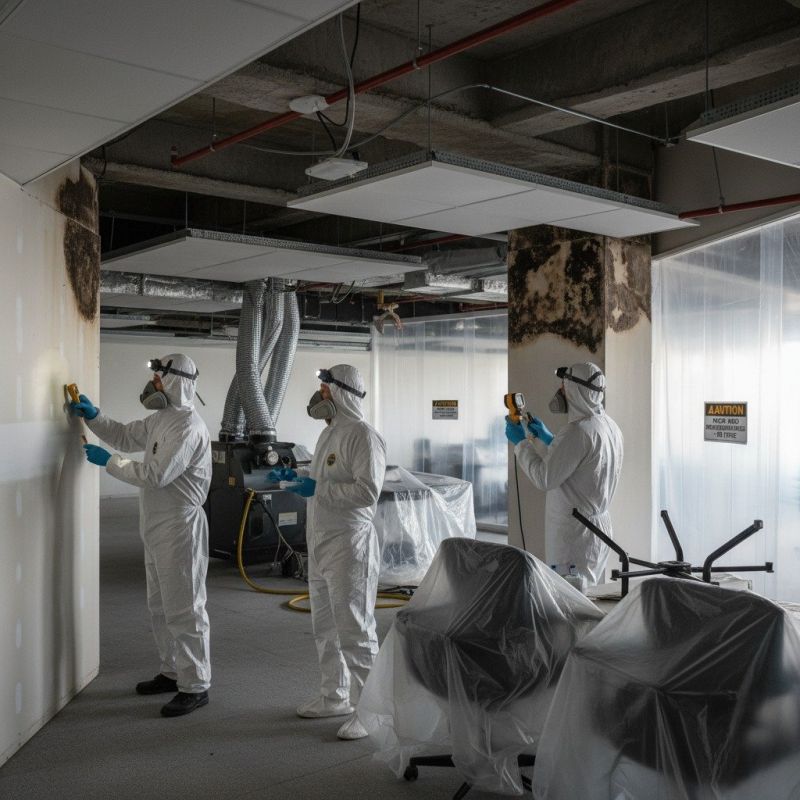
When evaluating service providers for Mold Air Testing, it’s important to consider their experience with similar projects. Homeowners should inquire about the types of properties and situations the pros have worked on previously to ensure they are familiar with the specific challenges that might arise in their own homes. An experienced contractor will understand the nuances of mold testing procedures and be able to identify potential sources of contamination accurately, helping to ensure the results are reliable and meaningful.
Clear written expectations are key to a successful partnership. Homeowners should seek service providers who can offer a detailed explanation of the testing process, including what the testing involves, how samples are collected, and what the results will indicate. Having this information in writing helps prevent misunderstandings and ensures everyone is aligned on the scope of work. It also provides a reference point if questions or concerns arise later in the process.
Reputable references and good communication are essential when choosing local contractors for mold testing. Homeowners are encouraged to ask for references from previous clients who had similar testing needs, which can provide insight into the contractor’s professionalism and reliability. Additionally, service providers who are responsive, transparent, and willing to answer questions clearly tend to foster a smoother experience. While this site introduces homeowners to local options, it’s important to remember that the actual work will be handled by qualified local contractors who can deliver on these key aspects of experience, clarity, and communication.
Property owners use Mold Air Testing services for practical projects around their homes and businesses. This guide focuses on everyday jobs and straightforward project options.
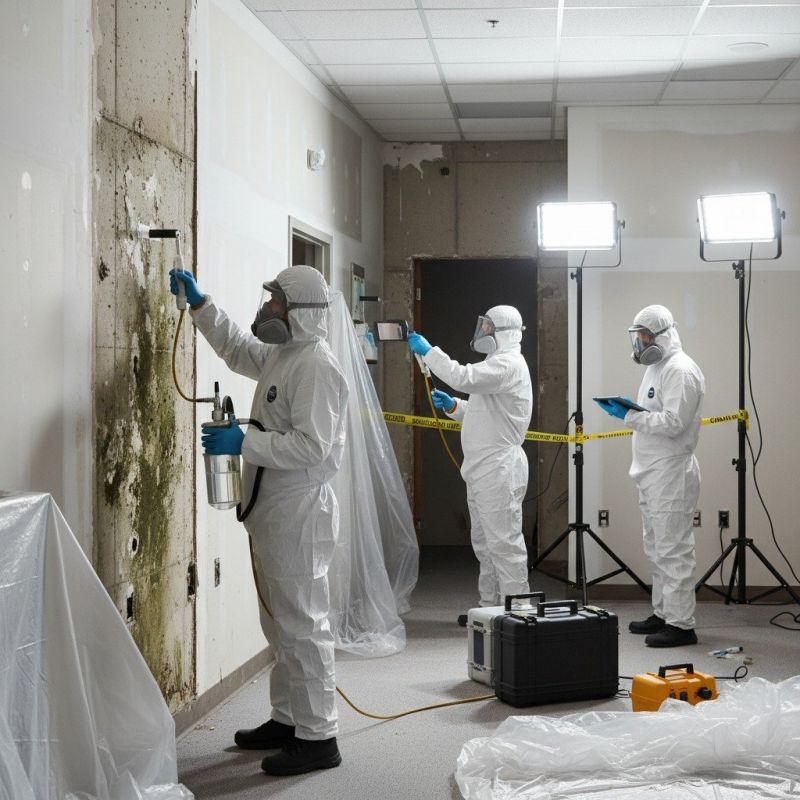
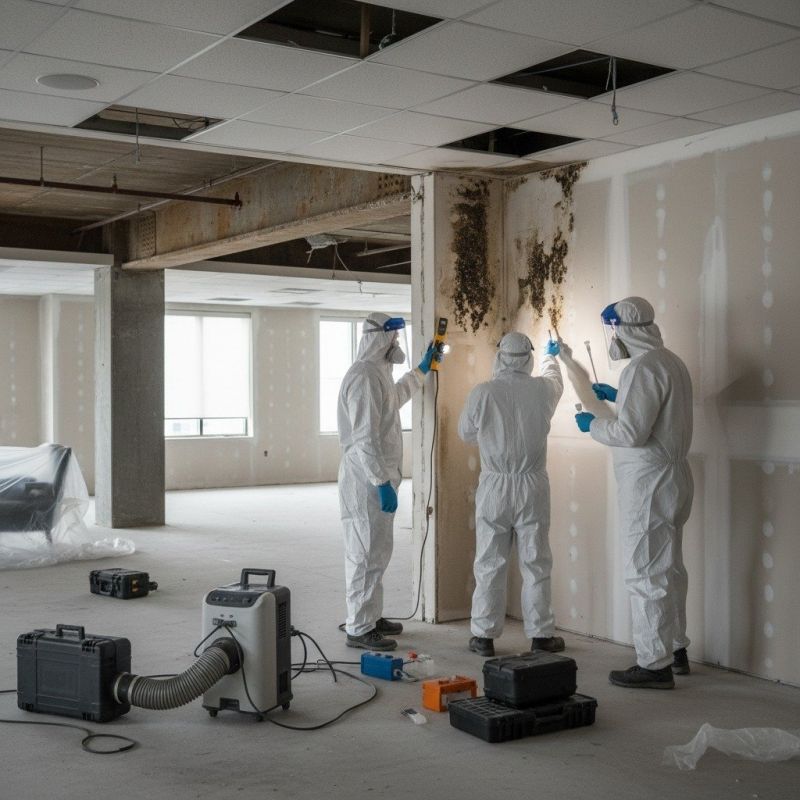
Mold air testing services are often sought after by property owners dealing with persistent odors, visible mold growth, or unexplained allergy symptoms inside their homes or commercial spaces. These tests help identify hidden mold sources that may not be immediately obvious, providing valuable information for making informed decisions about cleaning, repairs, or ventilation improvements. Local contractors specializing in mold testing can assist in pinpointing problem areas, ensuring that issues are addressed before they develop into larger health or structural concerns.
In addition, property owners preparing to sell a building or after experiencing water damage may look for mold air testing to assess indoor air quality and verify the safety of the environment. Whether for routine inspections or post-damage assessments, local service providers can offer expert testing to help maintain a healthy living or working space. Connecting with experienced professionals ensures that mold issues are accurately identified and properly managed, supporting overall property maintenance and safety.
What is mold air testing? Mold air testing involves sampling the air in a property to detect the presence and concentration of mold spores, helping to identify potential indoor air quality issues.
Why should I consider mold air testing? Mold air testing can help determine if mold is affecting indoor air quality, which may be important for health reasons or to verify if mold remediation was successful.
How do local contractors perform mold air testing? Trained service providers typically use specialized equipment to collect air samples, which are then analyzed to identify mold spores and their levels.
What areas are commonly tested for mold air quality? Testing often focuses on areas with visible mold, moisture problems, or rooms where occupants experience allergy-like symptoms.
Can mold air testing detect all types of mold? While air testing can identify the presence of mold spores in the air, it may not specify the exact mold types without laboratory analysis of samples.
Mold Air Testing for Indoor Air Quality - Property owners can use this service to identify hidden mold sources that may affect indoor air quality.
Pre-Remodel Mold Assessment - Homeowners planning renovations can have mold testing done to ensure the space is safe before starting work.
Post-Remediation Verification - After mold removal, testing can confirm that the environment has been properly cleared of mold spores.
Water Damage Inspection - Mold air testing can help detect mold growth resulting from recent water leaks or flooding events.
If you are thinking about Mold Air Testing for a property, this guide is meant to help you understand the work, the typical project types, and how different options might fit your plans.
When you are ready, you can use the quote form on this page to share a few details about your project. From there, local pros can review the basics and respond with options that match what you have in mind.